Before adding rainwater storage or a reuse system, find out where household water already goes. A leaking toilet, unnecessary irrigation or an unsuitable appliance setting can absorb much of the benefit of new infrastructure. Conservation is not about restricting essential hygiene. It is about identifying losses and delivering the amount needed for a defined task.
Build a baseline you can compare
Collect recent bills and note whether each reading is actual or estimated. Divide recorded consumption by the number of days in the billing period. If you compare per-person use, account for visitors, time away and changes in occupancy. Weather, garden establishment and construction work can explain changes that otherwise look like a plumbing problem.
Read the meter at a consistent time over a representative period if it is safely accessible. Record the units shown; do not assume a dial reads liters when it may use another unit. Note laundry loads, irrigation events and unusual use beside the reading. Smart-meter data can reveal patterns, but it still needs interpretation against household activity.
Investigate unexplained flow first
When practical, arrange a period with all intentional water use stopped and check whether the meter continues registering. Automatic equipment, toilet refilling, treatment regeneration or an irrigation controller may still operate, so account for these before concluding there is a leak. Do not interfere with utility equipment or operate unfamiliar valves.
Listen for toilets that refill unexpectedly and inspect accessible fittings for drips or dampness. Follow the toilet manufacturer's guidance for a suitable leak check. Hidden pipe leaks, damp walls, unexplained pressure changes or substantial persistent flow warrant a qualified plumber. If a leak is suspected near electrical equipment, avoid the area and obtain appropriate urgent assistance.
Compare fixtures by performance, not marketing
Check the rated flow or flush volume and look for a recognized efficiency label relevant to your country. In the United States, WaterSense covers eligible products and services; ENERGY STAR provides information for eligible appliances. Australia's WELS scheme and the European Union's energy labels use different frameworks. Ratings from different schemes are not directly interchangeable.
For washing machines and dishwashers, compare water use for the stated test program, usable capacity and realistic load sizes. A larger appliance may be inefficient for a household that routinely runs small loads. Follow loading guidance, use suitable cycles and address poor cleaning performance rather than repeatedly running the same load. Replace equipment when the overall costs and performance justify it, not solely because a newer badge exists.
Deliver to roots, not the street
Start with the garden itself. Group plants with similar needs, choose species suited to local conditions and improve soil management where appropriate. Mulch can reduce evaporation, but the material, depth and placement should suit the plants and climate. A timer schedule cannot compensate for compacted soil, broken fittings or a plant palette that demands more water than the site can supply.
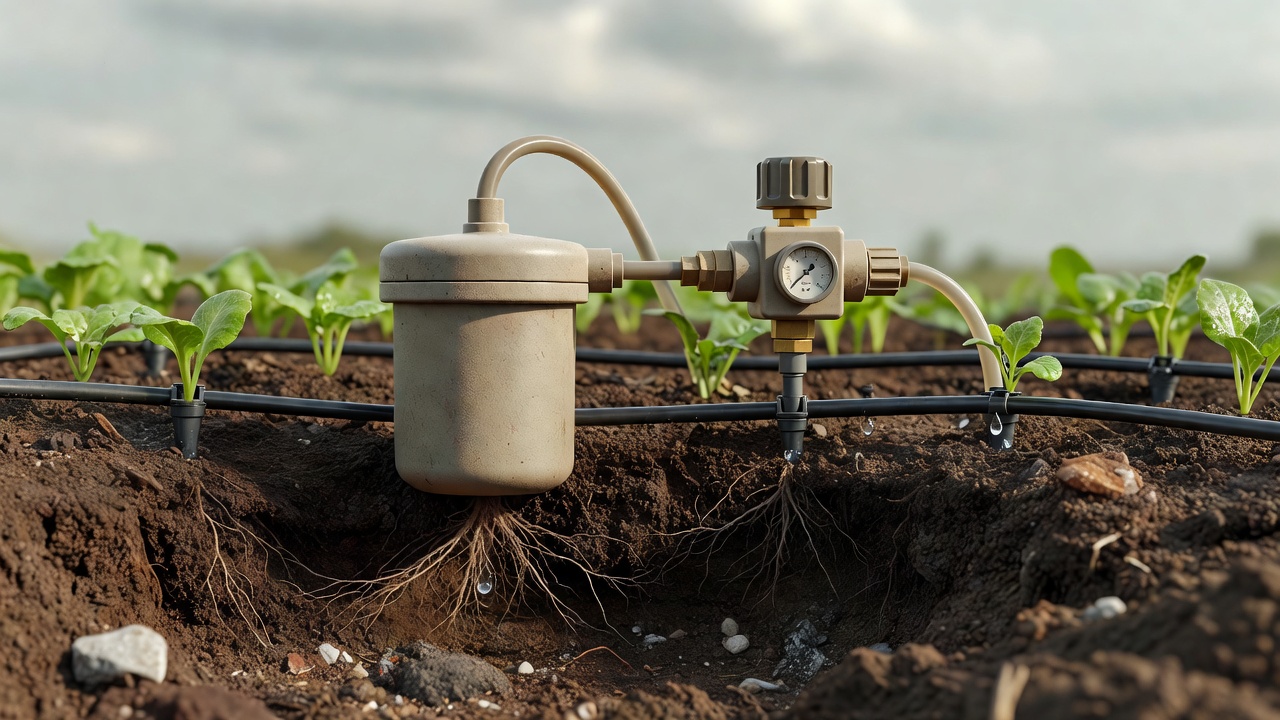
Drip irrigation can place water near roots, but emitters can clog and lines can leak unnoticed. Choose filtration and pressure control suitable for the equipment and water source. Walk the system while it runs, check distribution and inspect soil moisture below the surface. Wet foliage or a damp patch beside one emitter does not prove the whole root zone is adequately supplied.
Adjust watering to season, rainfall, plant establishment and local restrictions. Rain sensors and weather-based controllers can help when correctly installed and configured, but they still need review. Avoid applying water faster than the soil can absorb it. If water ponds or runs onto paving, stop and investigate rather than extending runtime.
Turn improvements into a repeatable routine
| Stage | Action | Record |
|---|---|---|
| Baseline | Read bills and meter; note household conditions | Daily average and known major uses |
| Repair | Investigate leaks and malfunctioning fixtures | Repair date and observed change |
| Adjust | Review appliance cycles and irrigation settings | Settings, weather and relevant loads |
| Review | Compare similar periods after changes | Measured use and remaining uncertainty |
Change one major variable at a time when possible. Otherwise it becomes difficult to tell which action helped. Do not promise savings from a single short comparison: rainfall, occupancy and estimated meter readings can distort the result. Once demand is stable, revisit whether rain capture or approved reuse would serve a real remaining need. A smaller requirement may allow simpler equipment and less maintenance.
Useful comparison resources
- US EPA WaterSense — labeled products and household conservation.
- ENERGY STAR products — eligible appliance comparisons.
- Australia's WELS water rating scheme — water-efficiency labels and product information.
- European Commission: energy-efficient products — label information and product requirements.